Cirio
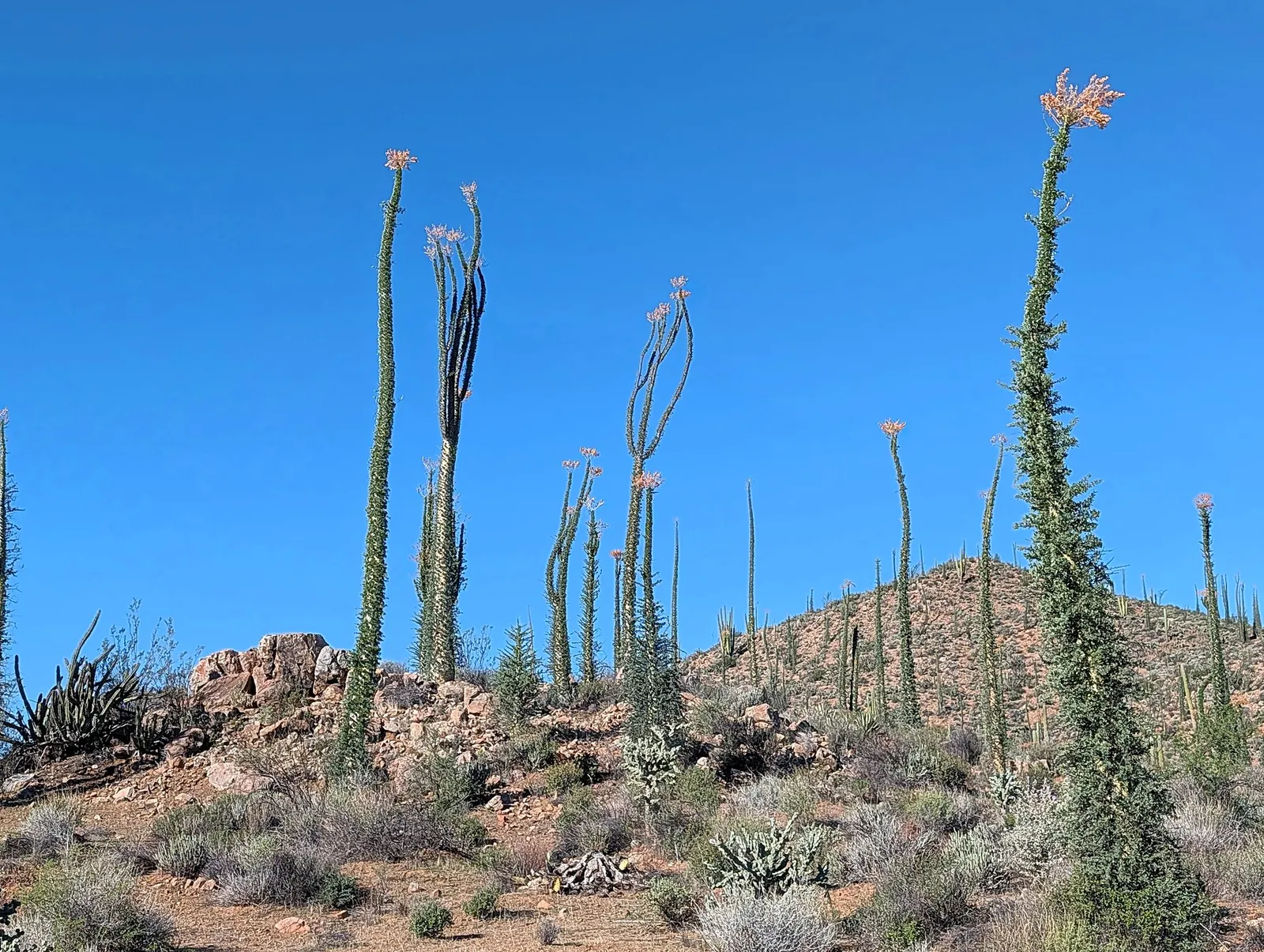
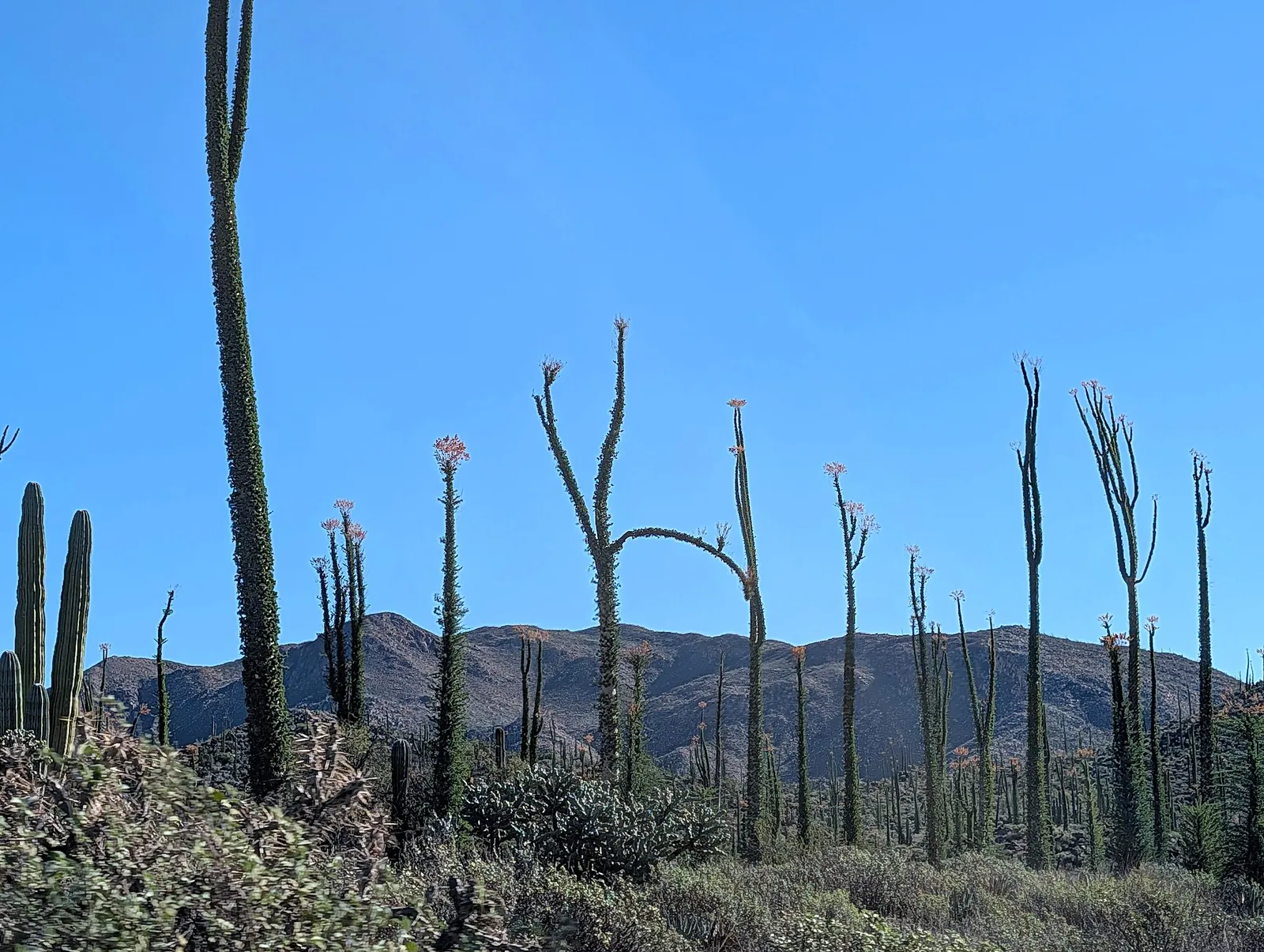
Fouquieria columnarisOtherworldly trees shaped like upturned carrots, with tiny branches jutting straight out. Found almost nowhere else on Earth, and protected: admired, never removed.
- HEIGHT
- Up to 65 ft
BAJA CALIFORNIA · MÉXICO
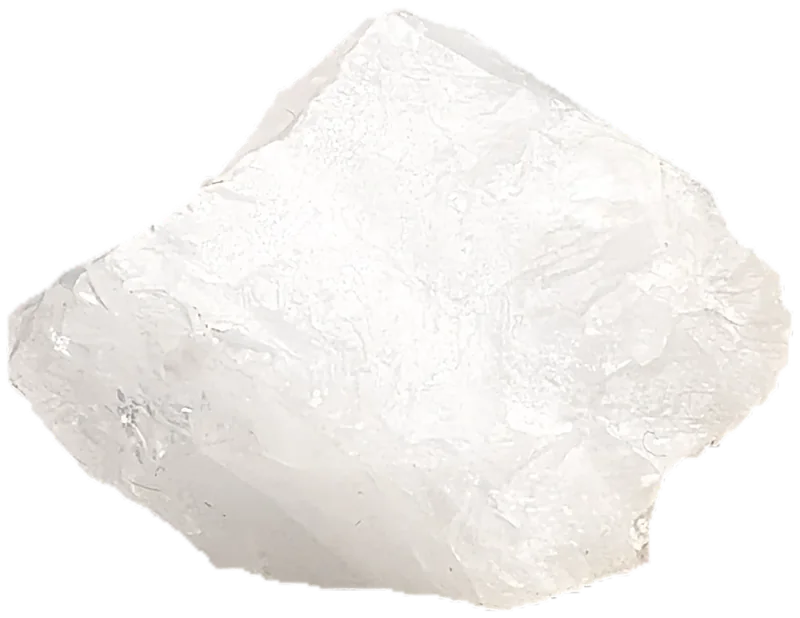
White quartz, quarried in the Baja desert for artists, sculptors and makers.
01 — THE STONE
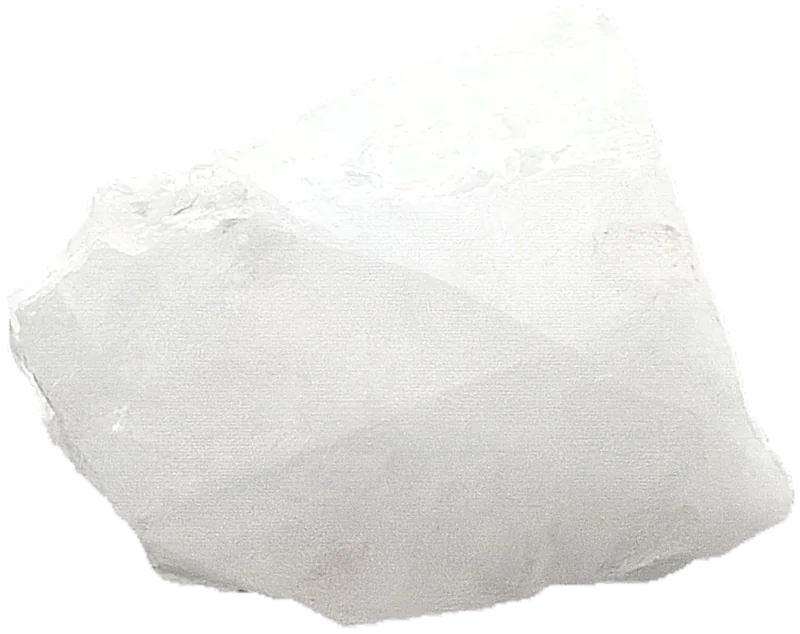
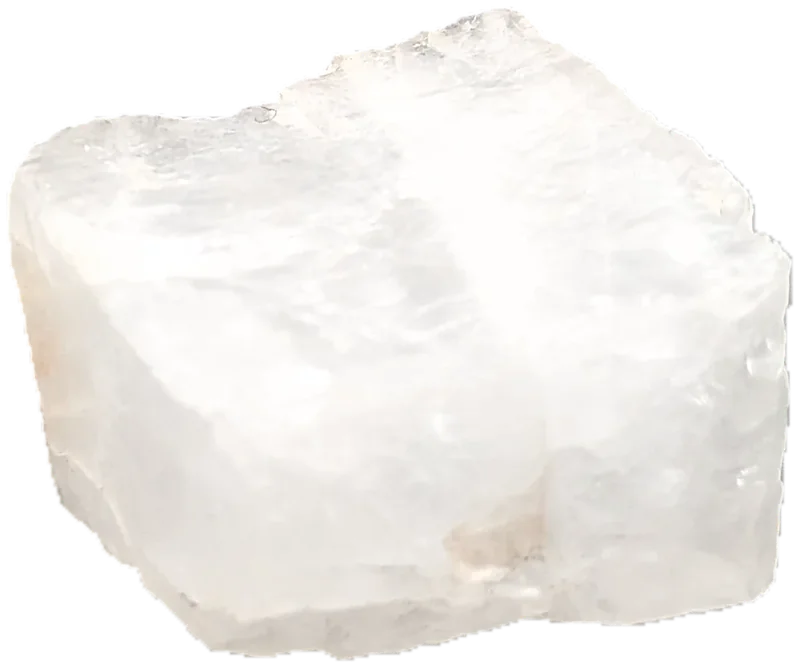
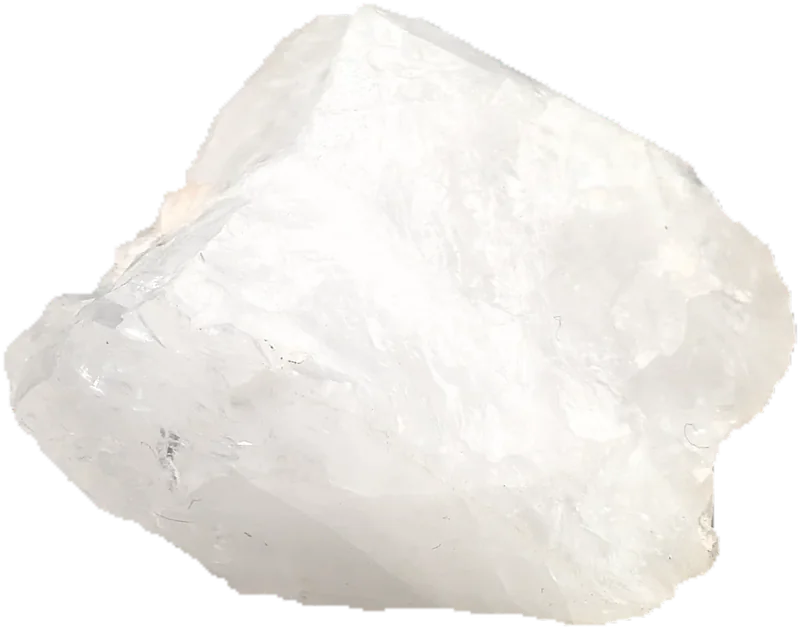
Milky at its heart, glassy at its edges — a stone that catches the sun and gives it back. Quarried in the mountains of Baja California for the people who turn it into art.
02 — GALLERY
Unpolished and uncut — the stone straight from the ridge.
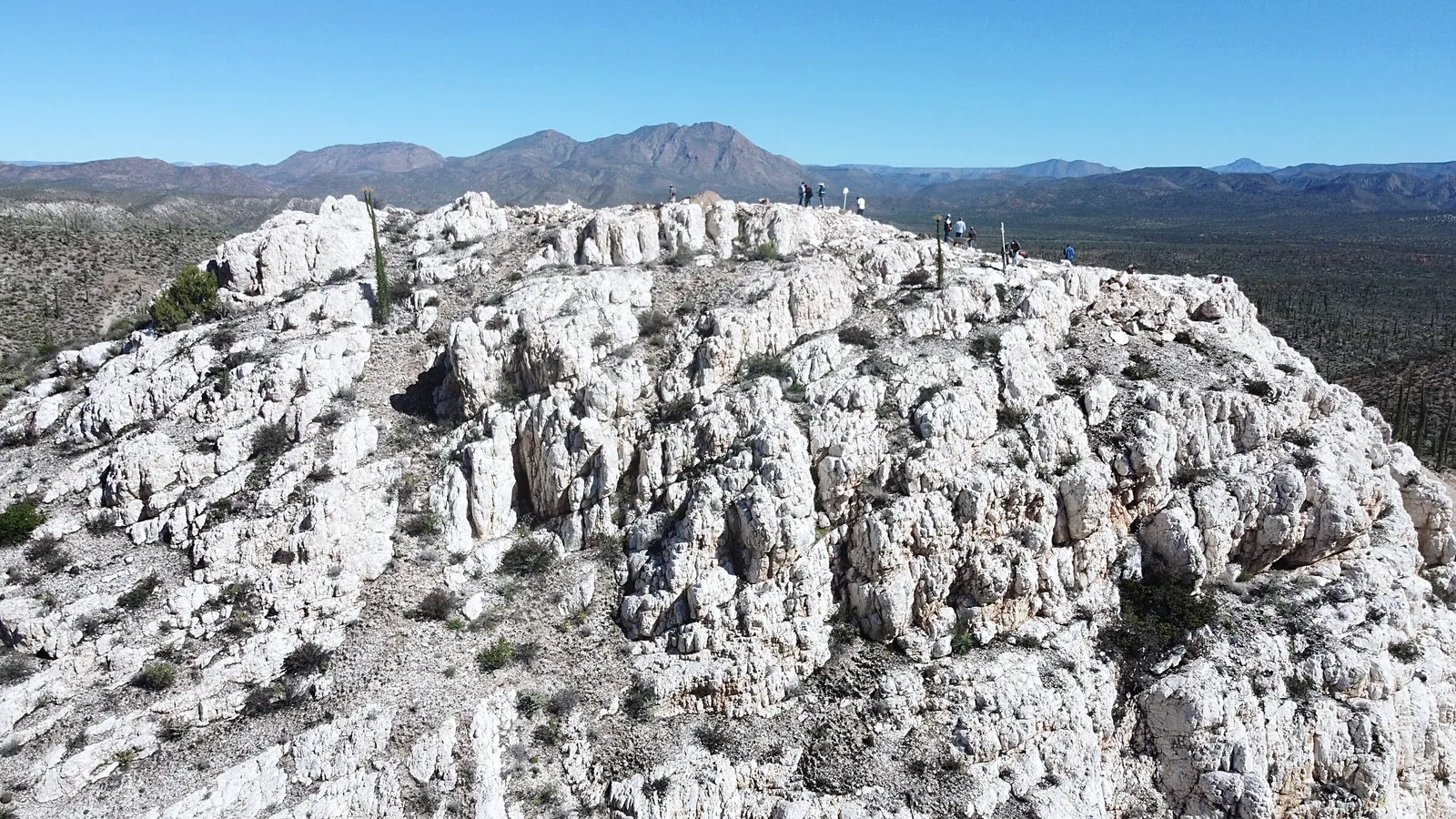
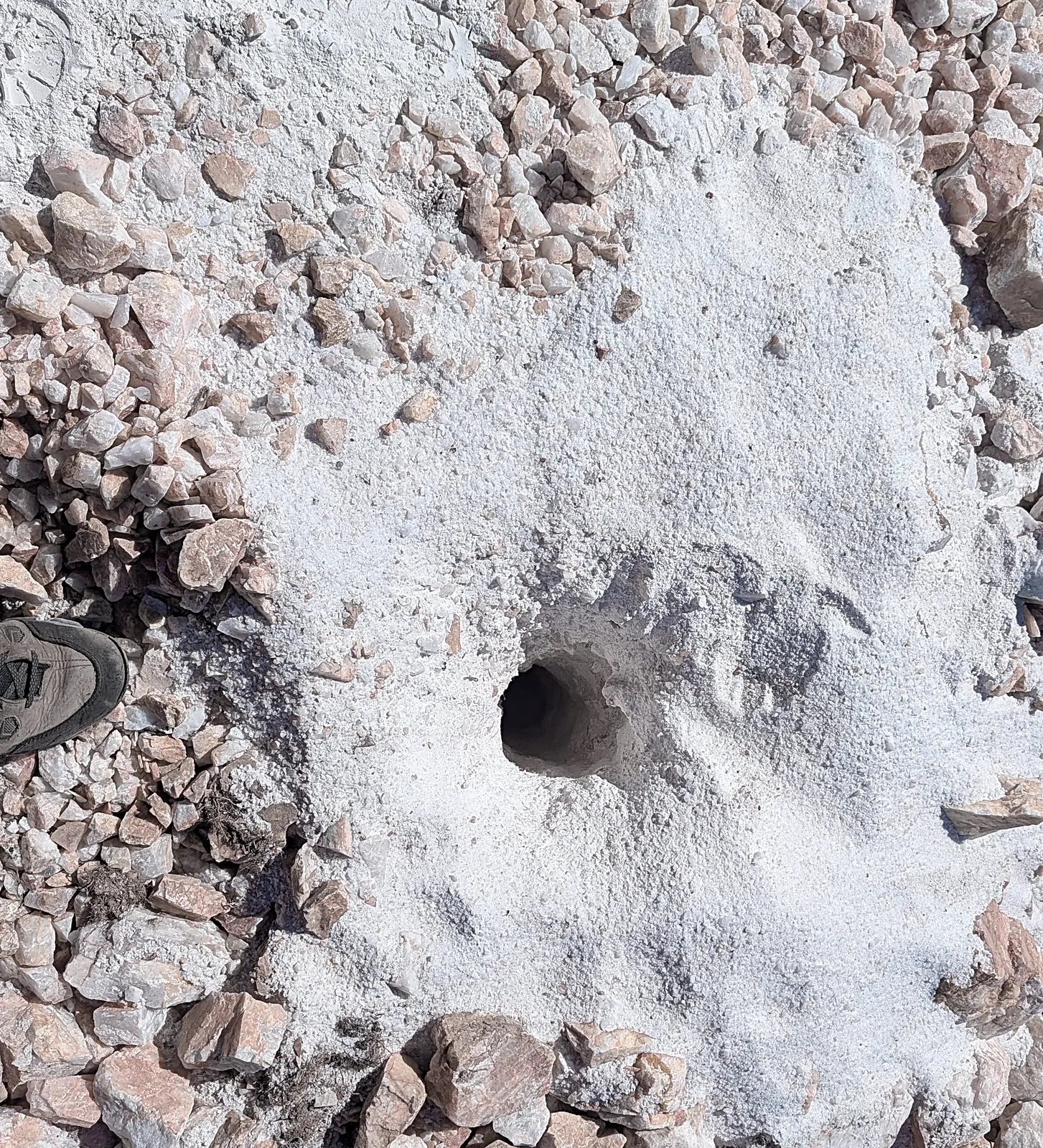
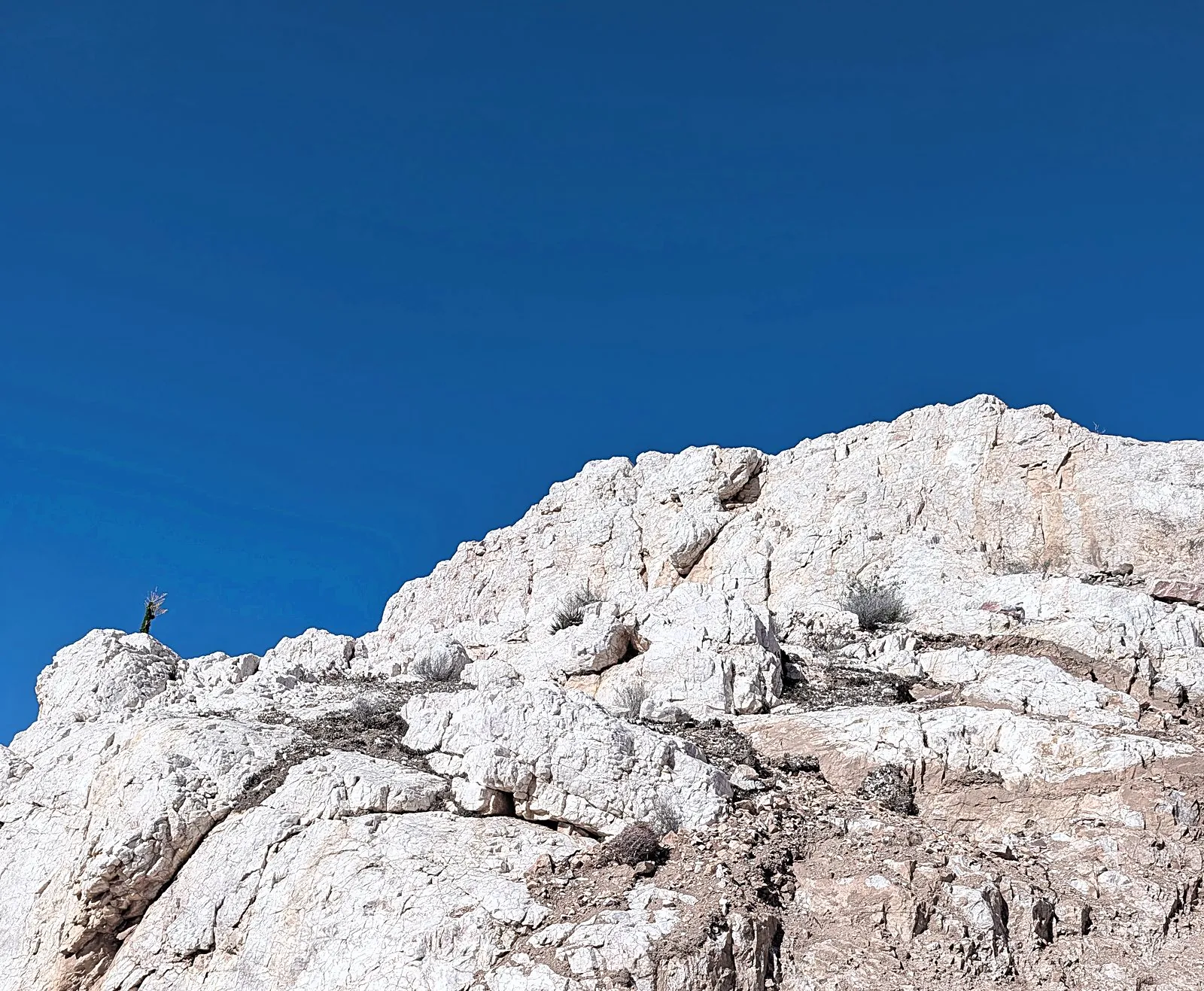
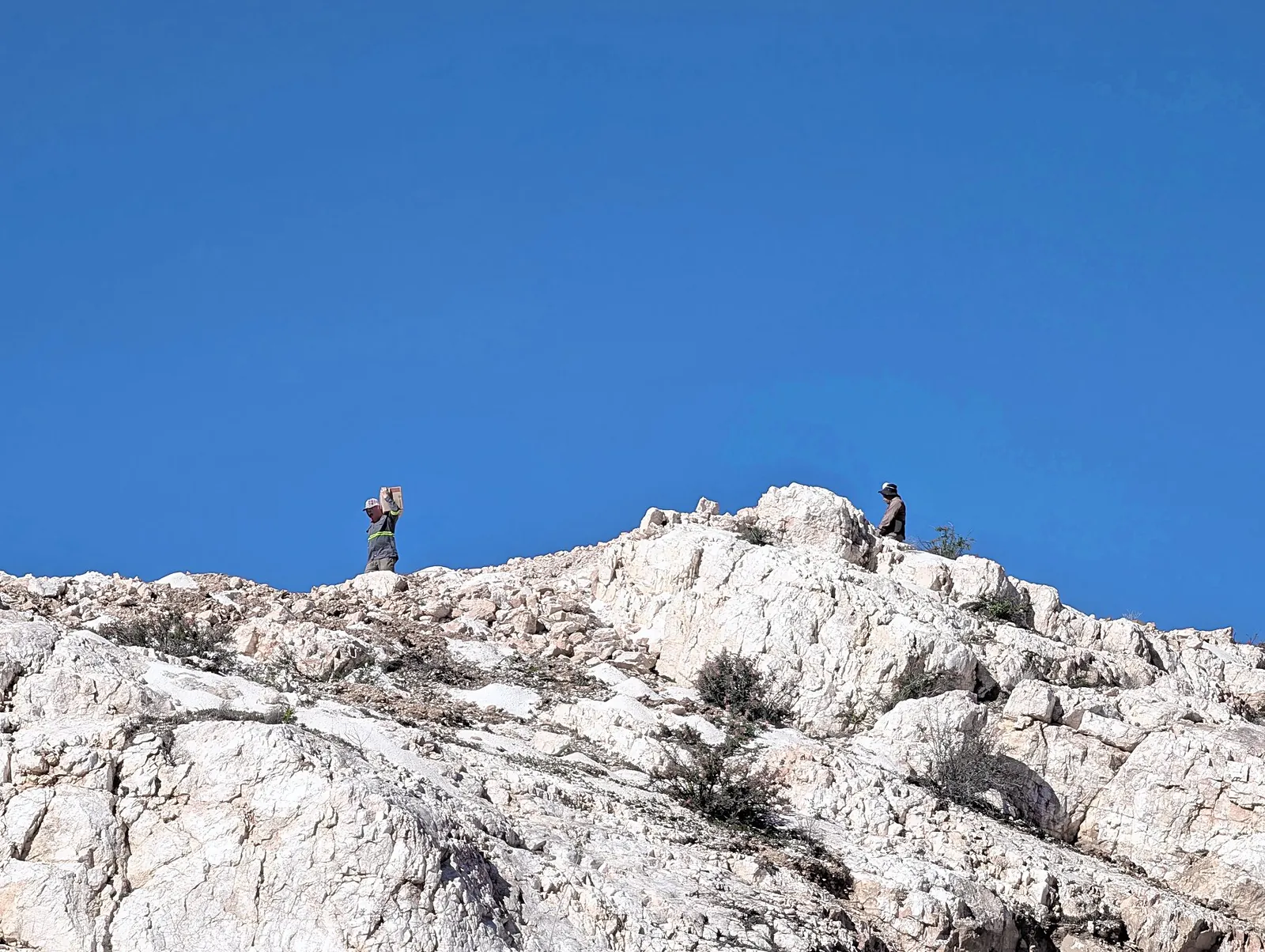
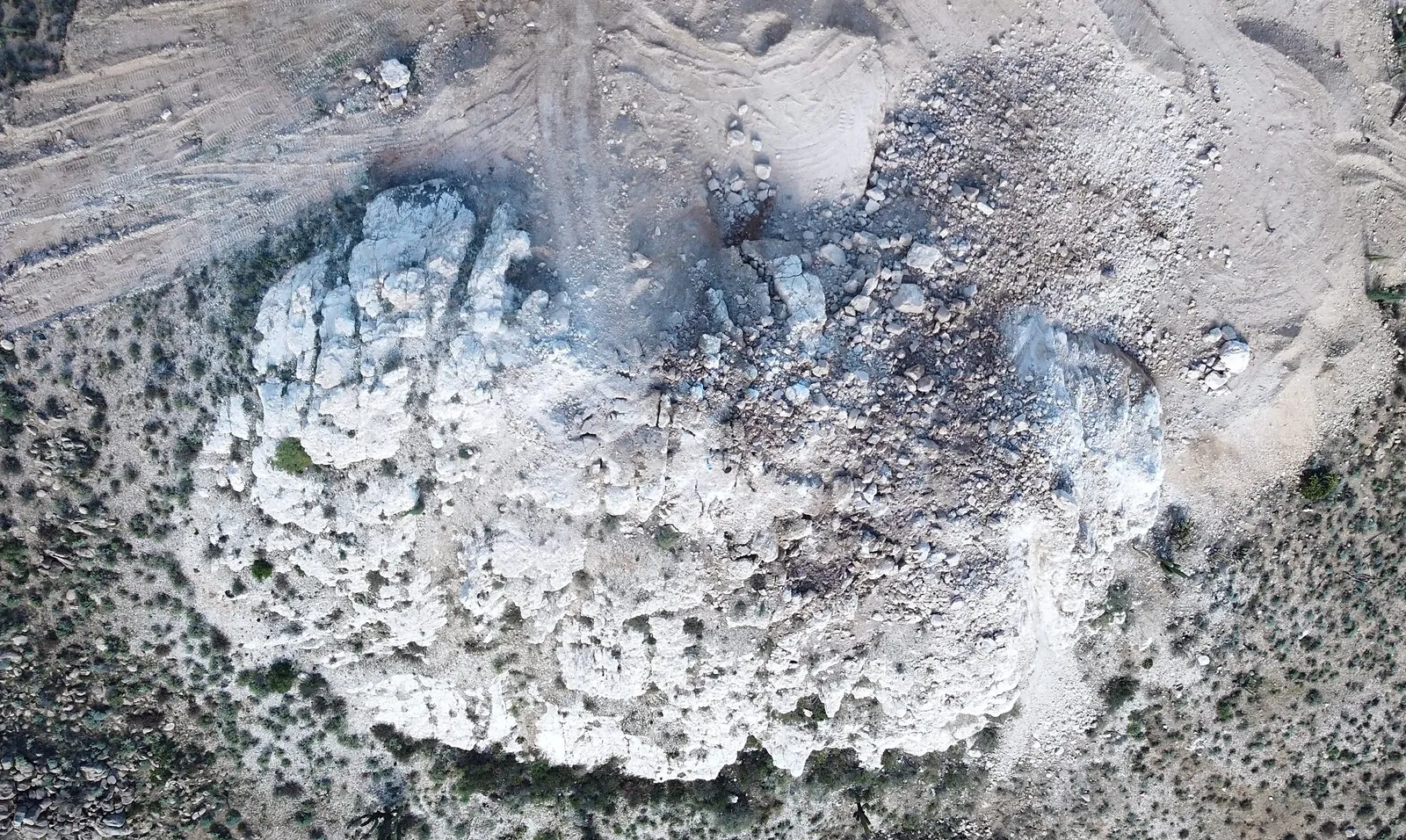
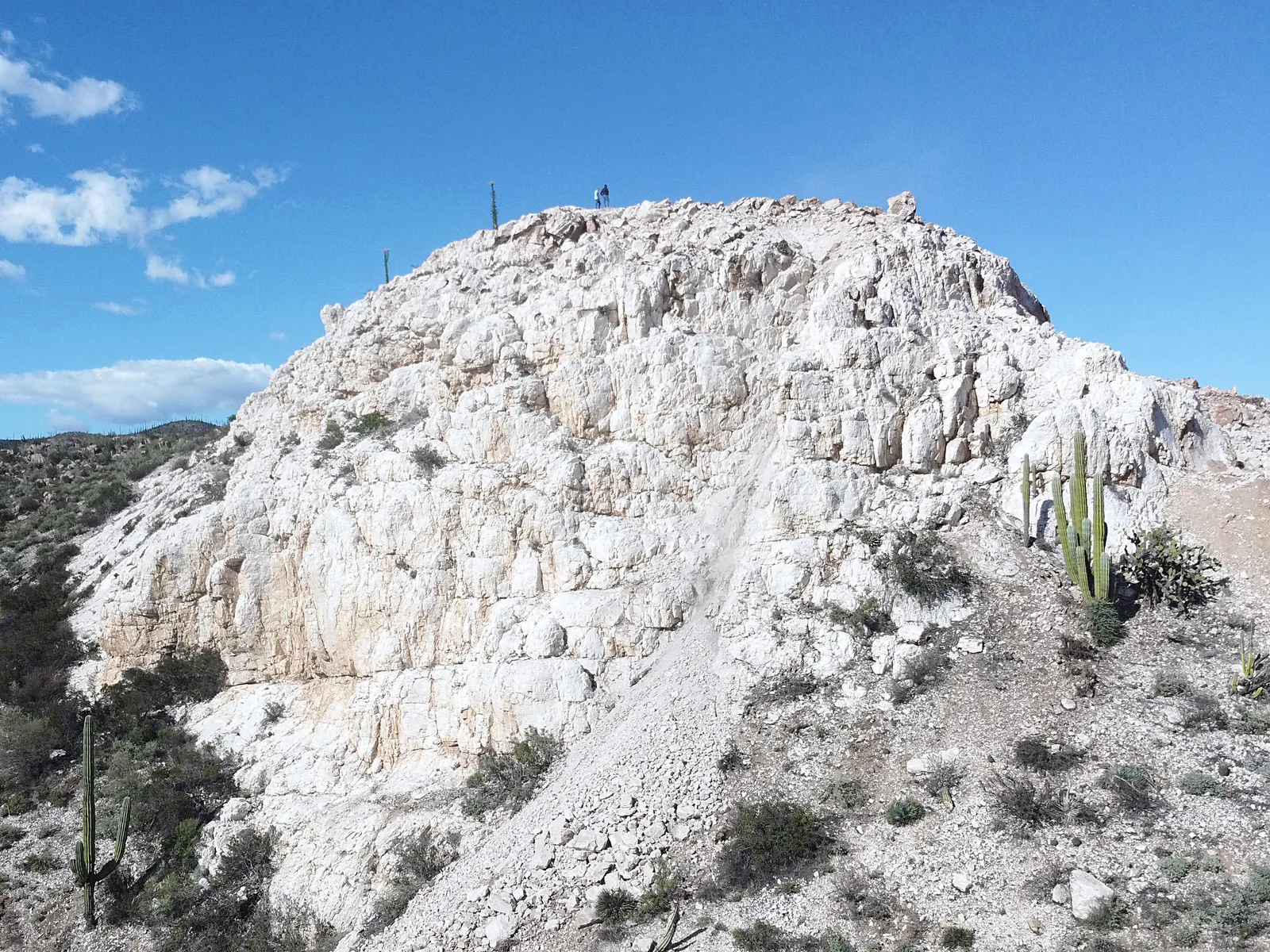
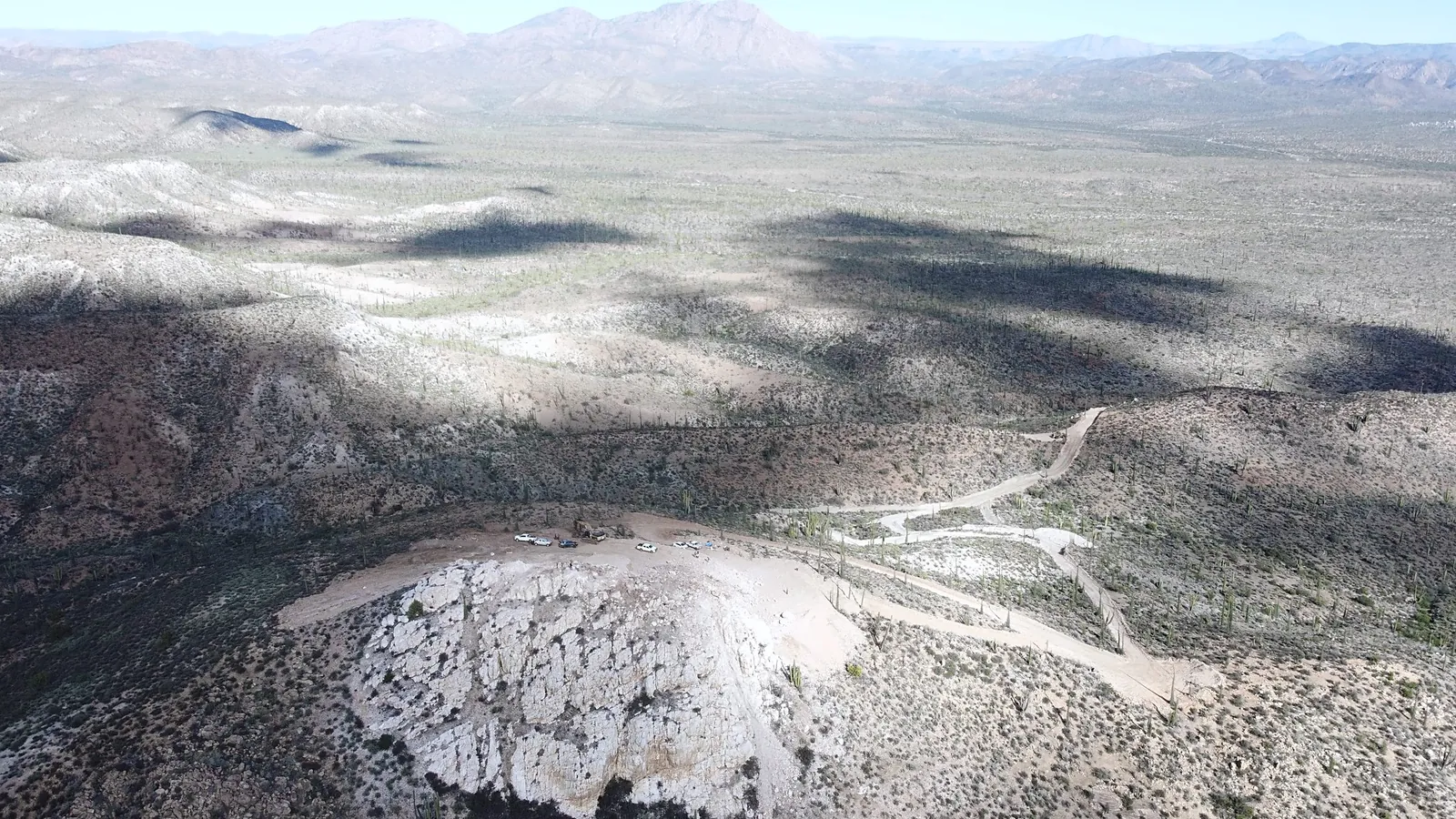
The ridge, from above.
03 — DEEP TIME
The story of this ridge runs back through tens of millions of years of fire, water and time.
Western Baja began as a chain of volcanic islands on the ocean floor, where one tectonic plate dove beneath another.
Vast bodies of magma pushed up beneath the arc and slowly cooled into the granite-like rock of the Peninsular Ranges batholith — a belt running from Southern California down the northern half of the peninsula.
Superheated water carrying dissolved silica moved through cracks in the rock. As it cooled and lost pressure, the silica came out of solution as quartz, filling fractures with solid white stone.
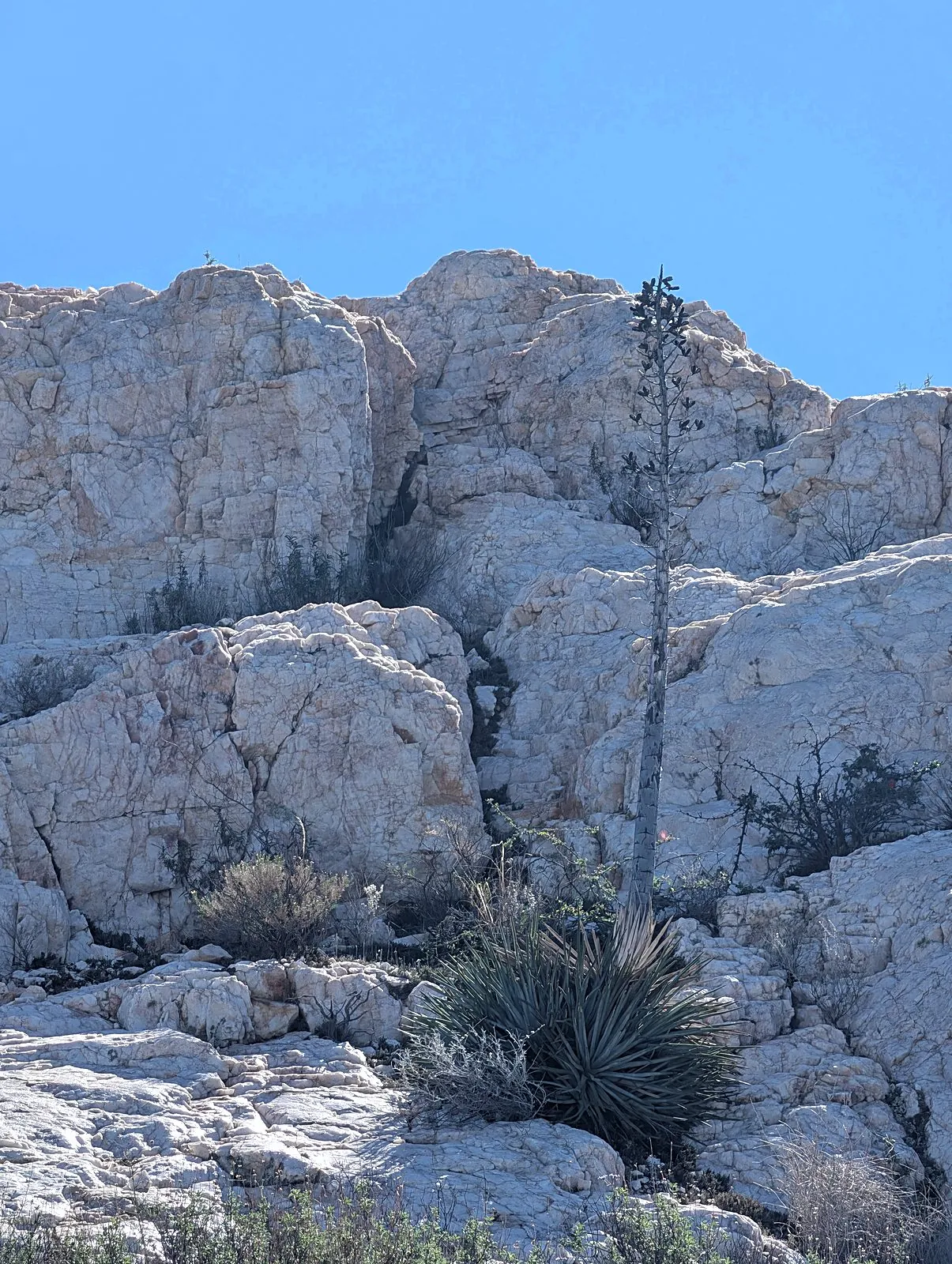
The land rose, the Gulf of California opened, and wind and rain stripped away softer rock. Quartz — hard and nearly immune to weathering — was left standing as a bright white ridge.
Quartz itself is colorless. Its milky glow comes from countless microscopic bubbles of fluid trapped as the crystal grew, which scatter light in every direction. Where there are fewer, the stone turns glassy and translucent.
04 — THE LAND
The quarry lies deep in the Bajío Salado valley, in the central desert of Baja California: a landscape so strange it feels like another planet. Forests of cirio, towering cardón and the red flash of tabardillo grow right up to the white stone.
Otherworldly trees shaped like upturned carrots, with tiny branches jutting straight out. Found almost nowhere else on Earth, and protected: admired, never removed.
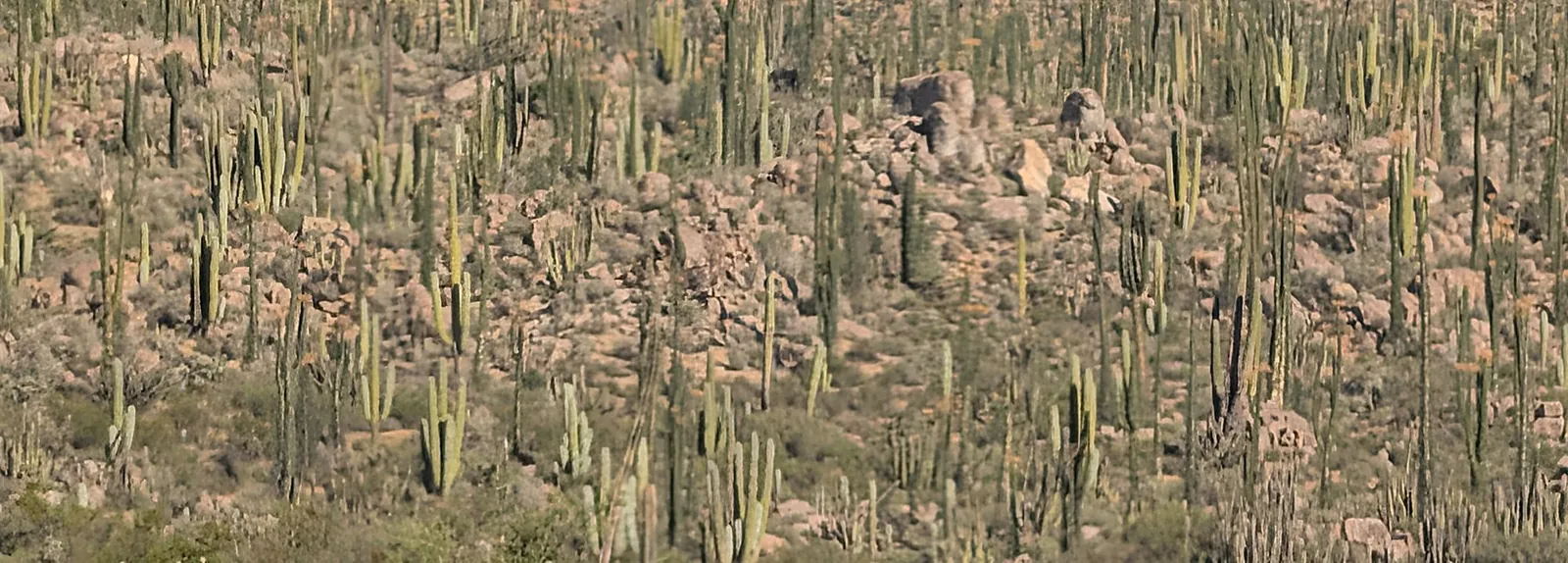
The tallest cactus species on Earth. Giants can top 60 feet and live for centuries, standing on the hillsides like sentinels.
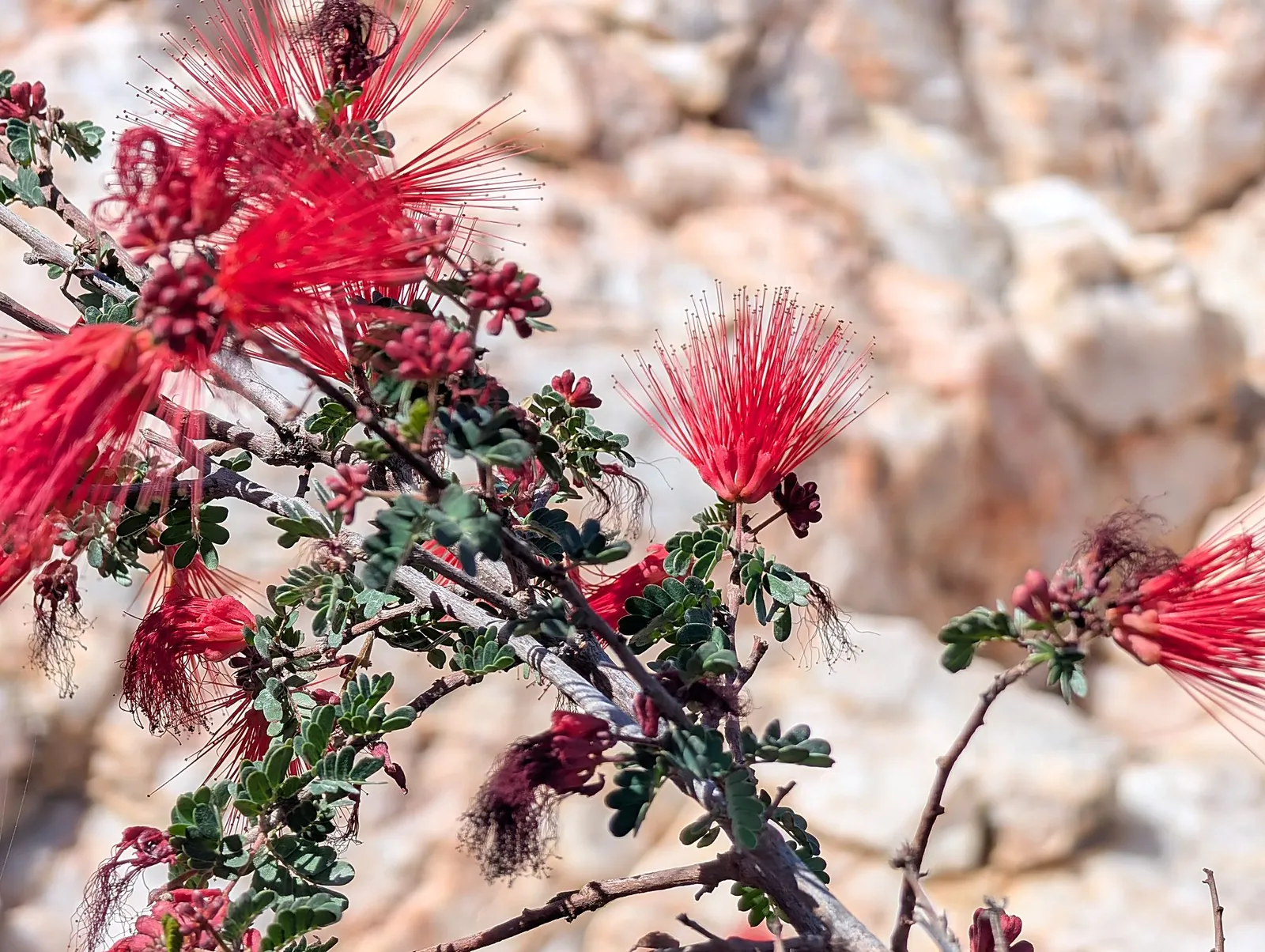
The Baja fairy duster: a native shrub whose red, thread-like blooms open after the rains and draw hummingbirds, often rooted right in the quartz.
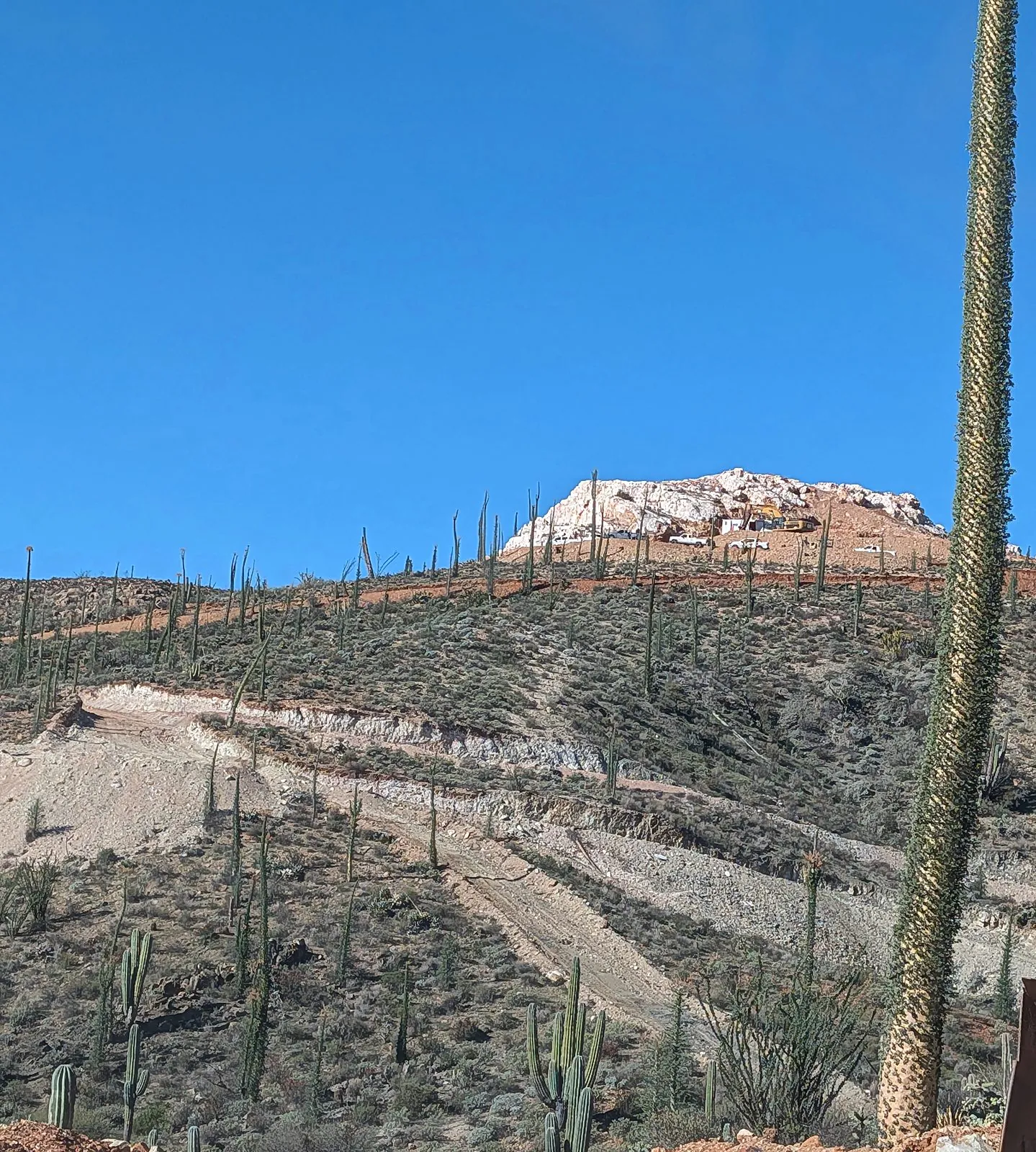
From among the cirios, the quarry’s white dome shines on the ridge above: stone and desert, side by side.
06 — ORIGIN
Baja California,
México
Deep in the Bajío Salado valley, among the desert mountains of the peninsula. A private working site — not open to visitors.
Samples, blocks and raw stone for artists, studios and makers.